



Catalyst loaded Silica Sol
Nano silica sol is used for catalyst loading, and its high specific surface area can provide sufficient active sites to anchor the active components of the catalyst. The abundant silicon hydroxyl groups on its surface can chemically bond with the active components to prevent sintering loss. It is widely used in fields such as petroleum refining, environmental catalysis, and chemical synthesis.
The current company has developed several catalyst loaded silica sol products represented by N40, MJ10-30, etc., with performance comparable to AS-40 and AS-30 from Grace Company in the United States.
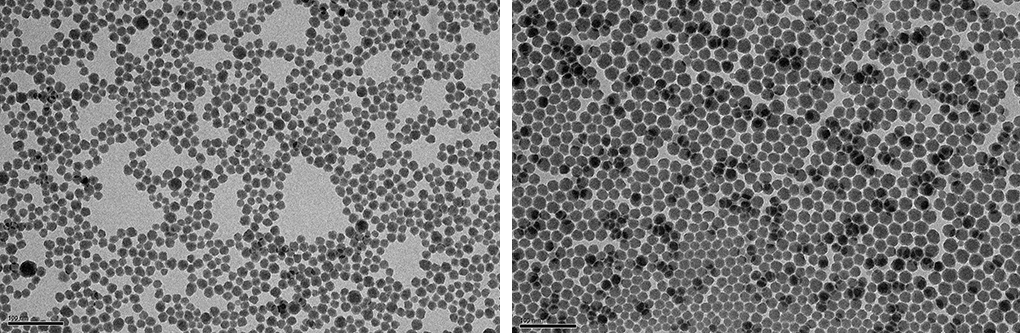
| grade | MJ10-30 | MJ20-40 | N-40 | K-40 | |
| Average particle size (nm) | ~15 | 18~21 | 27-31 | 19~23 | |
| Density (20 ℃, g/ml) | 1.15-1.17 | 1.301 | 1.285~1.290 | 1.285~1.290 | |
| pH | 9.0 | 9.7 | 9.0-10.0 | 9.0~10.0 | |
| Dynamic viscosity (25 ℃, mPa.s) | ≤6 | 8.06 | ≤10 | ≤10 | |
| Specific surface area (m ²/g) | 160 | 120-130 | 120-130 | 150-170 | |
| Stable counterion | sodium | sodium | ammonium | potassium | |
| Metal element content (ppm) | sodium | ≤2000 | 2000 | ≤450 | ≤100 |
| potassium | ≤10 | ≤10 | ≤10 | ≤2000 | |
| aluminium | ≤150 | ≤250 | ≤100 | ≤250 | |
Silica Sol For Ceramic Coatings
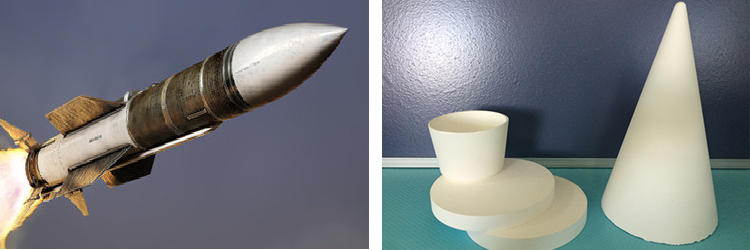
Ceramic coatings use silica sol as an inorganic adhesive and structural reinforcement phase. Through mechanisms such as low-temperature film formation, nano filling effect, and chemical bonding of substrates, the coating performance can be significantly improved, with excellent properties such as high hardness, high temperature resistance, weather resistance, and stain resistance.
The current company has developed several silica sol products for ceramic coatings, represented by MJ15-30, MS20-35, MJ80-50, etc., covering characteristics such as alkalinity and acidity, large particle size and small particle size, which can be compared with similar silica sol products abroad.
| grade | MJ15-30 | MS20-30 | MJ80-50 | |
| Average particle size (nm) | 13-15 |
18-20 |
80~90 |
|
| Silicon dioxide content (%) |
30 | 35 | 50 | |
| pH | 8.5~9.5 | 2.5~3.0 | 9.0-10.0 | |
| Dynamic viscosity (25 ℃, mPa.s) | ≤8 | ≤10 | ≤15 | |
| Specific surface area (m ²/g) | 200 | 150 | 50 | |
| Stable counterion | sodium | hydrogen | sodium | |
| Metal element content (ppm) |
sodium | ≤3000 | ≤300 |
≤1000 |
| potassium | ≤10 | ≤10 | ≤80 | |
| magnesium |
≤150 | ≤20 | ≤50 | |
| calcium | ≤20 |
≤20 | ≤50 | |
| aluminium | ≤20 | ≤200 | ≤300 |
|
| iron | ≤1500 | ≤30 | ≤30 | |
| copper | ≤1 | ≤1 | ≤1 | |
| nickel | ≤1 | ≤1 | ≤1 | |
| zinc | ≤1 | ≤1 | ≤1 | |
| Titanium | ≤35 | ≤40 | ≤50 | |
| chromium | ≤1 | ≤1 | ≤1 | |
Silica Sol For Ceramic Based Composite Materials
Quartz fiber-reinforced silica composite material has excellent comprehensive properties in terms of force, heat, and electricity. It is prepared by combining silica as the matrix with quartz fibers and is currently the most mature and widely used ceramic based transparent composite material at home and abroad. It is also an ideal choice for high state re-entry antenna cover materials.
Silica sol is a key raw material for the preparation of silica ceramic matrix composite materials. The JS-21 high-purity acidic silica sol produced by the company can meet the application needs of composite materials and is one of the few domestic manufacturers with the production capacity of this type of silica sol.
| grade | JS21 | |
| Average particle size (nm) (TEM) |
7~20 |
|
| Density (20 ℃, g/ml) | 1.12~1.16 | |
| pH | 2.0~4.0 | |
| Dynamic viscosity (25 ℃, mPa.s) | ≤3 | |
| Metal element content (ppm) |
sodium |
≤60 |
| potassium | ≤2 | |
| magnesium | ≤5 | |
| aluminium | ≤150 | |
| iron | ≤20 | |
| copper | ≤1 | |
Large Particle Size Silica Sol For Chemical Mechanical Polishing
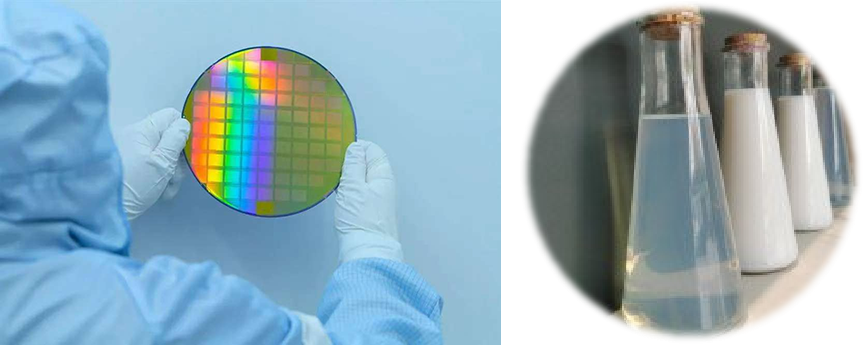
Silica sol abrasive is the main component of CMP polishing solution, which achieves nanoscale planarization of wafer surface through the synergistic effect of chemical corrosion and mechanical grinding.
The company has developed a series of large-diameter silica sol products for CMP polishing solutions, represented by BP40, BP100, BP120, HP80, etc.
| grade | BP100 |
BP120 | HPSO | BP40 | |
| Average particle size (nm) | 40-50 |
100-110 |
120-130 |
75-95 | |
| pdI | ≤10 | ≤0.05 | ≤0.05 | ≤0.10 | |
| Silicon dioxide content (%) |
40 | 40 | 40 | 50 | |
| pH | 9.0-10.0 | 9.0-10.0 | 9.0-10.0 | 9.0-10.0 | |
| Dynamic viscosity (25 ℃, mPa.s) | ≤8 | ≤5 | ≤5 | ≤20 | |
| Stable counterion | potassium | potassium | potassium | potassium | |
| Metal element content (ppm) |
sodium |
≤400 | ≤400 | ≤400 | ≤50 |
| potassium | ≤2000 | ≤2000 | ≤2000 | 2000~6500 | |
| magnesium |
≤20 | ≤20 | ≤20 | ≤1 | |
| calcium | ≤20 | ≤20 | ≤20 | ≤2 | |
| aluminium | ≤200 | ≤100 | ≤100 | ≤5 | |
| iron |
≤20 | ≤20 | ≤30 | ≤2 | |
| copper | ≤1 | ≤1 | ≤1 | ≤1 | |
| nickel | ≤1 | ≤1 | ≤1 | ≤1 | |
| zinc | ≤1 | ≤1 | ≤1 | ≤1 | |
| Titanium | 30-50 | 30-50 | 30-50 | ≤10 | |
| chromium | ≤1 | ≤1 | ≤1 | ≤1 | |
| zirconium | - | - | - | ≤1 | |
| manganese | - | - | - | ≤1 | |
| cobalt | - | - | - | ≤1 | |
| boron | - | - | - | ≤5 | |


